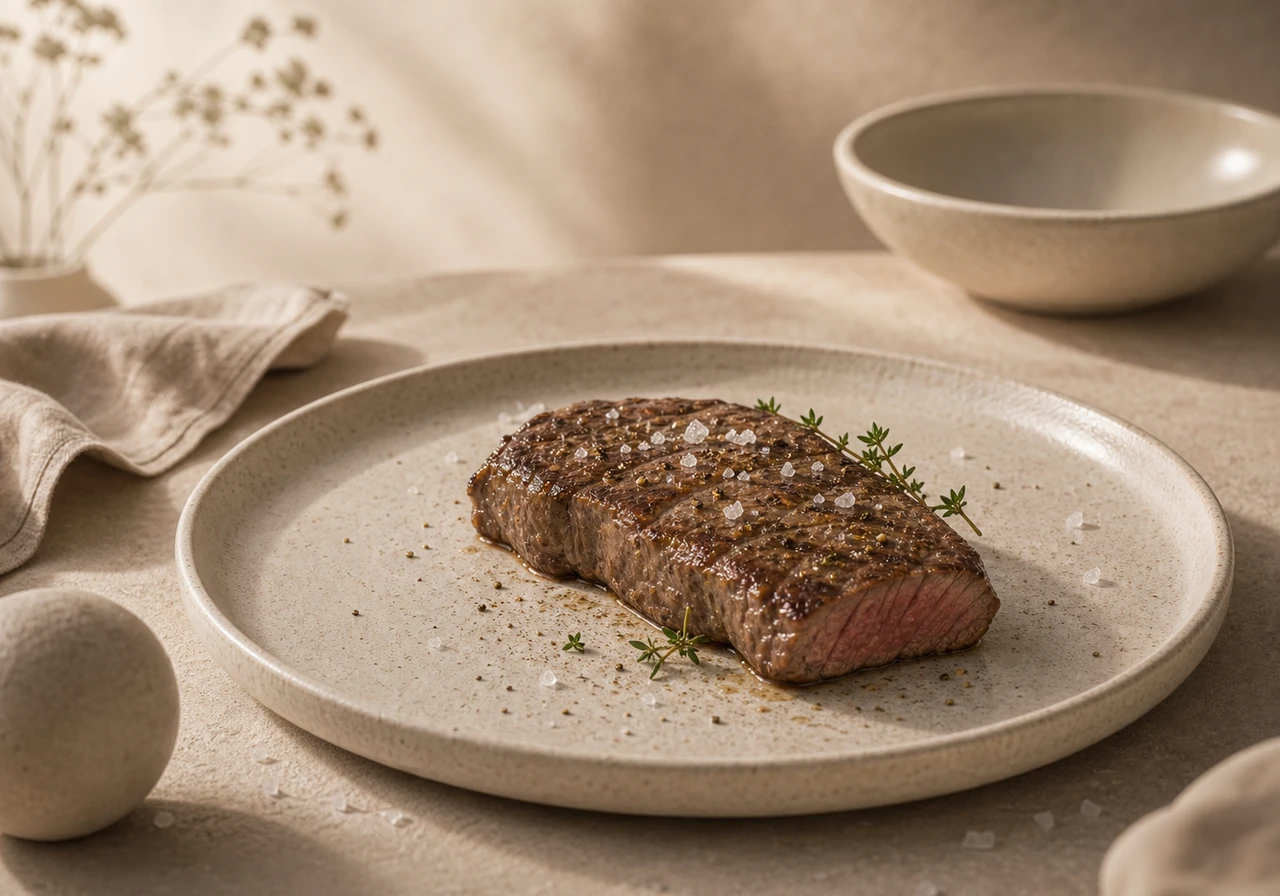
The Carnivore Gut: What Happens When Plants Disappear?
Meat can provide protein, but a no-plant diet changes the microbial menu.
Carnivore eating has become one of the internet's loudest nutrition identities. The gut question is quieter and more practical: what happens to a microbial ecosystem when most fermentable plant fibers disappear?
Protein is not the whole gut story
Animal foods can provide protein, iron, zinc, B vitamins, and satiety. But most gut microbes associated with fiber fermentation need carbohydrates from plants to do that job.
When plants disappear, the available substrate changes. That can shift which microbes thrive and which metabolites get produced.
What we know and do not know
Research comparing dietary patterns shows that omnivore, vegetarian, and vegan diets leave different microbial signatures. Carnivore-specific human research is still limited, so confident claims in either direction should be treated carefully.
The conservative concern is simple: long-term removal of plant diversity may reduce the microbial jobs tied to fiber fermentation.
The fermented-food compromise
Some high-meat eaters are pairing meat with sauerkraut, kimchi, or fermented vegetables. That does not replace fiber diversity, but it can add acids, flavor, and live-food exposure.
If someone is committed to a meat-heavy diet, the gut-friendly conversation starts with what plant or fermented foods they are still willing to keep.
- Carnivore diets remove most of the fiber many gut microbes ferment.
- Human research on strict carnivore microbiomes is still limited.
- Fermented vegetables may be a practical bridge for meat-heavy eaters.
- 1.Fackelmann G, Pham N, Rackaityte E, et al. (2025). Gut microbiome signatures of vegan, vegetarian and omnivore diets. Nature Microbiology.
- 2.Tomova A, Bukovsky I, Rembert E, et al. (2019). The effects of vegetarian and vegan diets on gut microbiota. Frontiers in Nutrition.
- 3.Lei M (2026). Food Trends for 2026 Focus on Fiber-Maxxing, Global Foods, and More. Johns Hopkins Center for a Livable Future.
- 4.Koh A, De Vadder F, Kovatcheva-Datchary P, Bäckhed F (2016). From dietary fiber to host physiology: short-chain fatty acids as key bacterial metabolites. Cell.
Wild Origin makes microbiome testing and foods for wellness education, not medicine. This article is for curiosity and education — it is not medical advice, and our products are not intended to diagnose, treat, cure, or prevent any disease. If you are managing a health condition, talk to a qualified clinician.
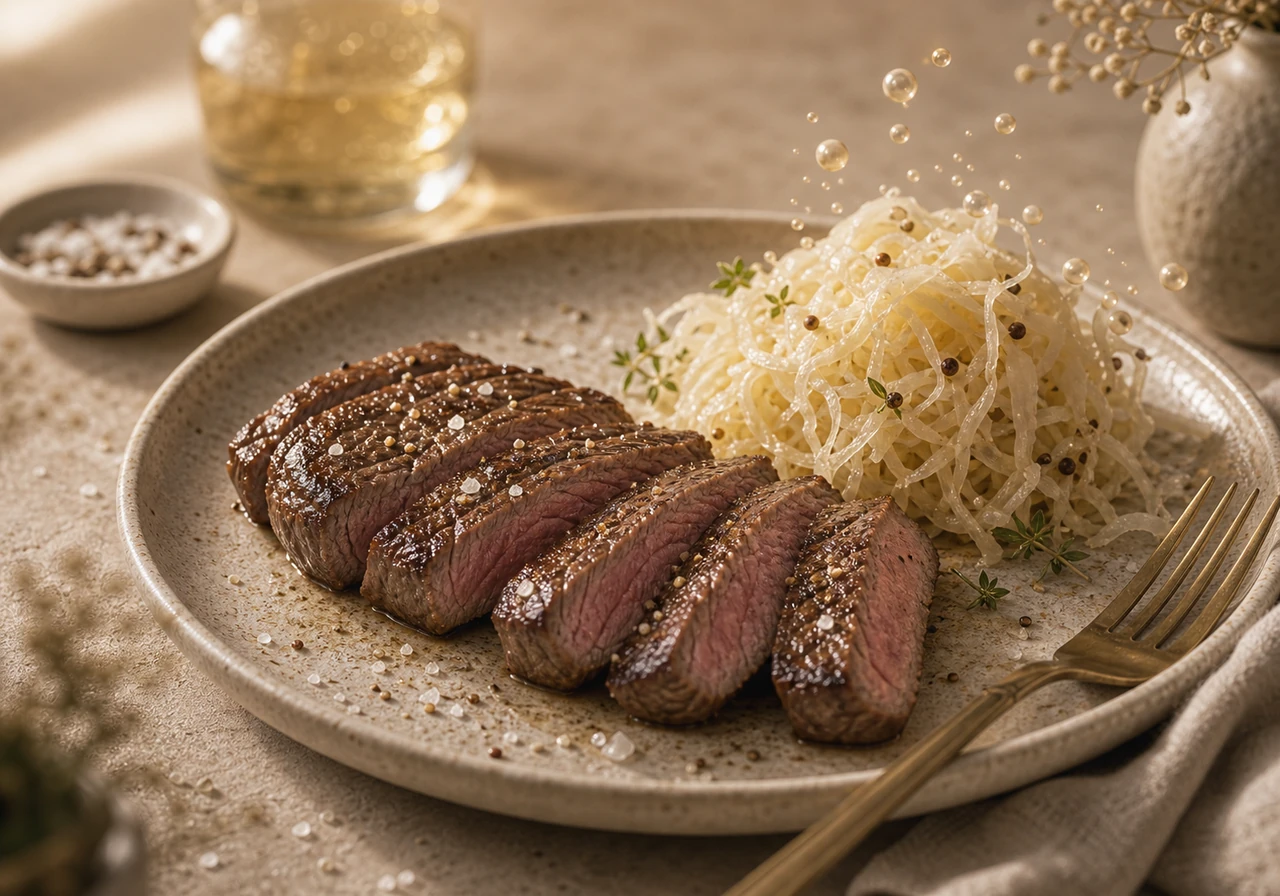
Kraut With Steak: The High-Protein Ferment Trend
Why fermented vegetables make sense next to rich, protein-heavy meals.
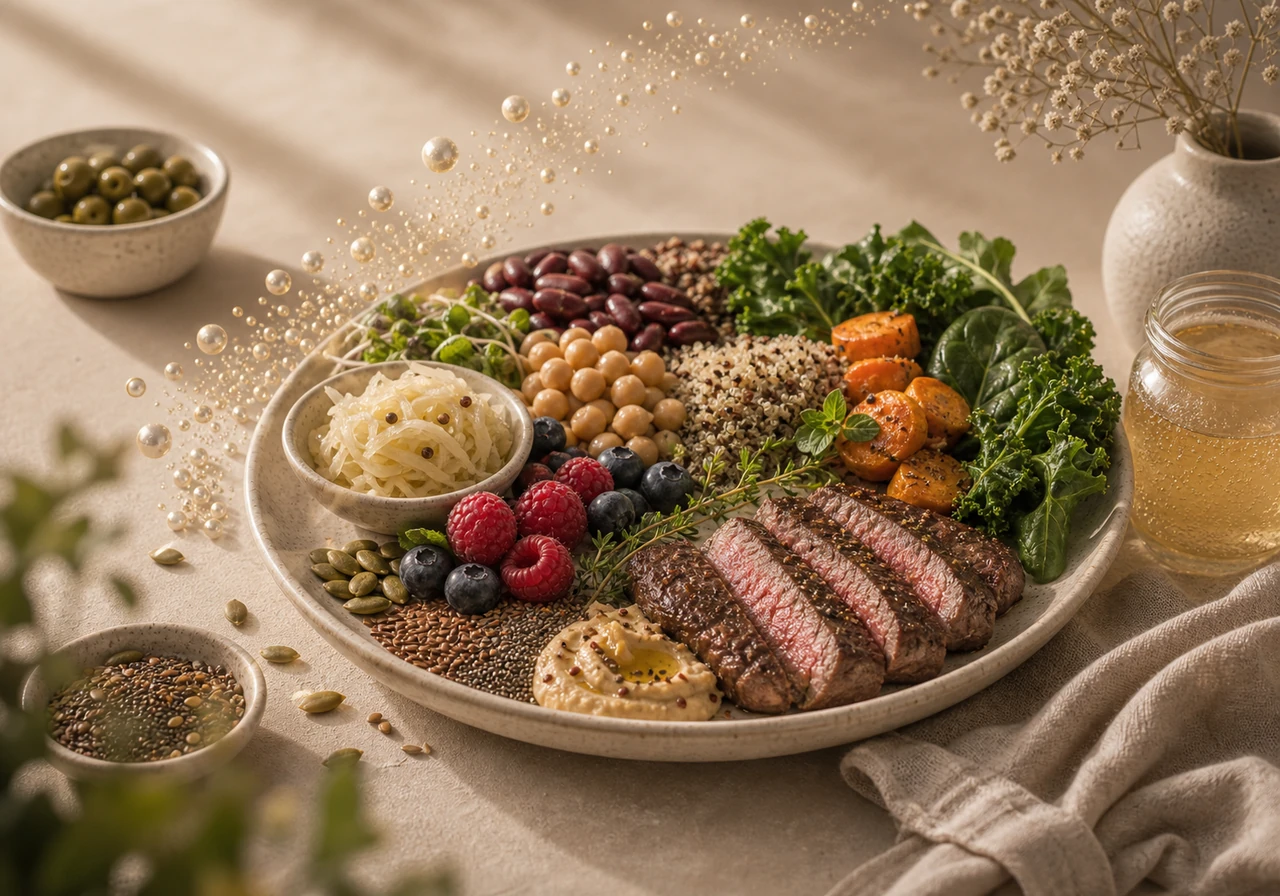
Can Meat Eaters Have a Healthy Microbiome?
Yes. The question is what else is on the plate.