GLP-1s and Your Gut: How to Eat When Your Appetite Changes
When appetite drops, every bite has to carry more nutritional weight.
GLP-1 medications have changed the way people talk about appetite. They have also created a practical food problem: when someone is eating less, the quality of what they do eat matters more.
Less food means fewer chances
A smaller appetite can make it harder to get enough protein, fiber, fluids, and micronutrients. It can also change digestion, especially if meals get irregular or fiber drops too low.
This is not a medication guide. It is a food lens for a very common reality: the gut still needs steady care when appetite is quieter.
The gut-first plate
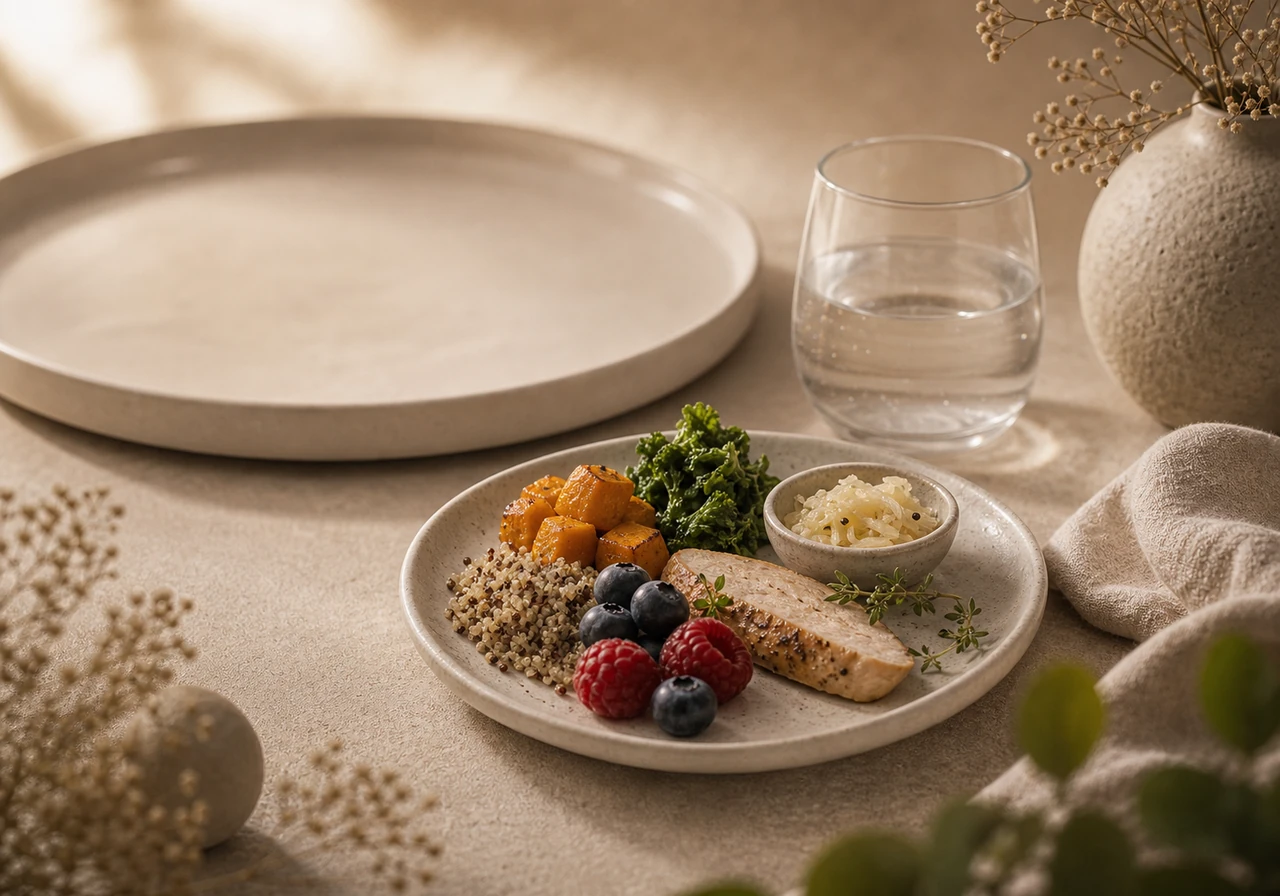
Prioritize protein, then add soft, tolerable fibers like oats, beans, cooked vegetables, berries, chia, or lentils. Fermented foods can add flavor and microbial variety in small portions.
For some people, smaller servings more often feel better than forcing large meals. The point is nutrient density without digestive drama.
When to get help
Persistent nausea, constipation, reflux, or rapid dietary restriction deserves clinician support. Gut care should make life easier, not become a private endurance contest.
A simple food journal can help: what you ate, how much, hydration, bowel changes, and symptoms. Patterns are easier to solve when they are visible.
- GLP-1 appetite changes can make nutrient density more important.
- Protein, fiber, hydration, and small servings of ferments are practical anchors.
- Persistent digestive symptoms should be discussed with a qualified clinician.
- 1.Lei M (2026). Food Trends for 2026 Focus on Fiber-Maxxing, Global Foods, and More. Johns Hopkins Center for a Livable Future.
- 2.Koh A, De Vadder F, Kovatcheva-Datchary P, Bäckhed F (2016). From dietary fiber to host physiology: short-chain fatty acids as key bacterial metabolites. Cell.
- 3.Cryan JF, O'Riordan KJ, Cowan CSM, et al. (2019). The microbiota-gut-brain axis. Physiological Reviews.
- 4.Valdes AM, Walter J, Segal E, Spector TD (2018). Role of the gut microbiota in nutrition and health. BMJ.
Wild Origin makes microbiome testing and foods for wellness education, not medicine. This article is for curiosity and education — it is not medical advice, and our products are not intended to diagnose, treat, cure, or prevent any disease. If you are managing a health condition, talk to a qualified clinician.
Constipation and the Gut Microbiome
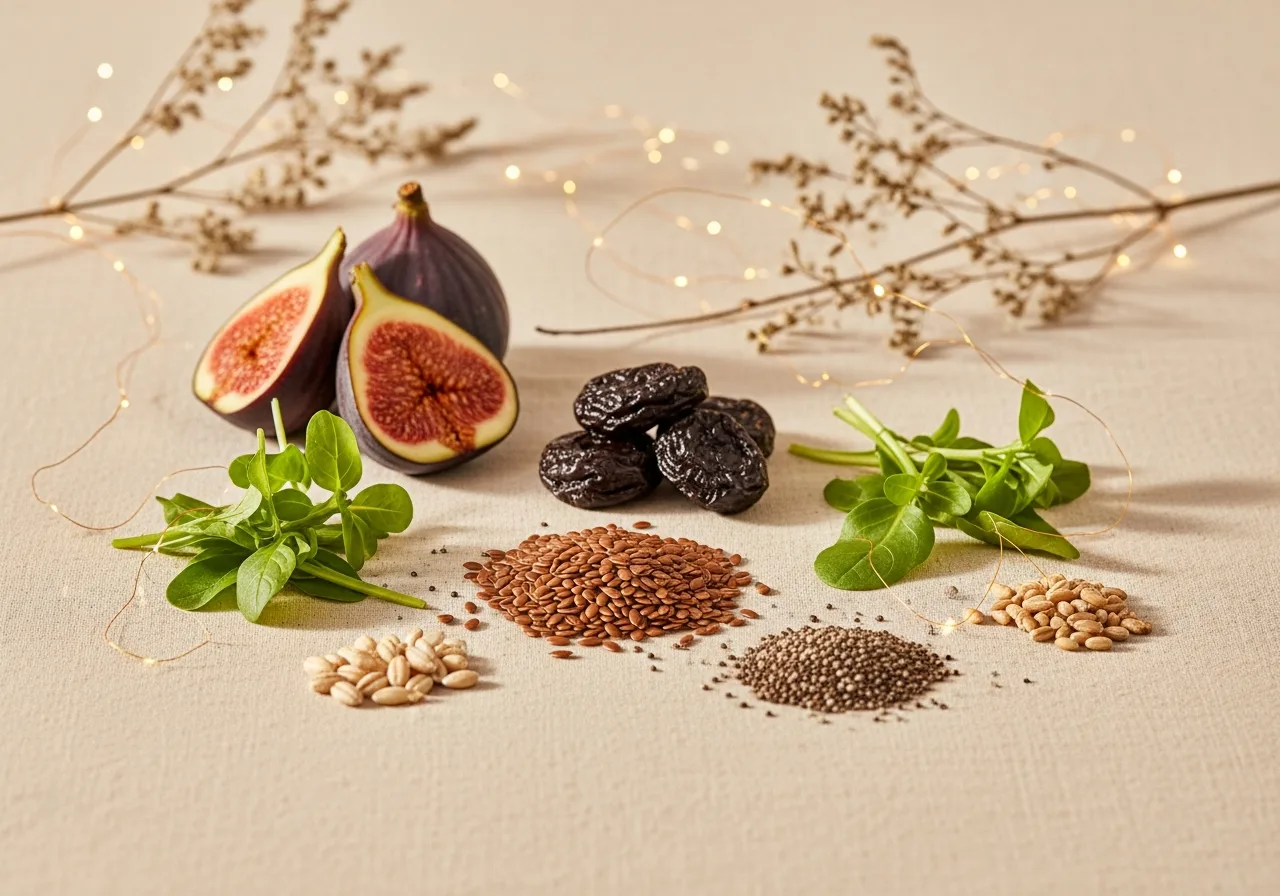
How your gut community shapes transit time — and what actually gets things moving.