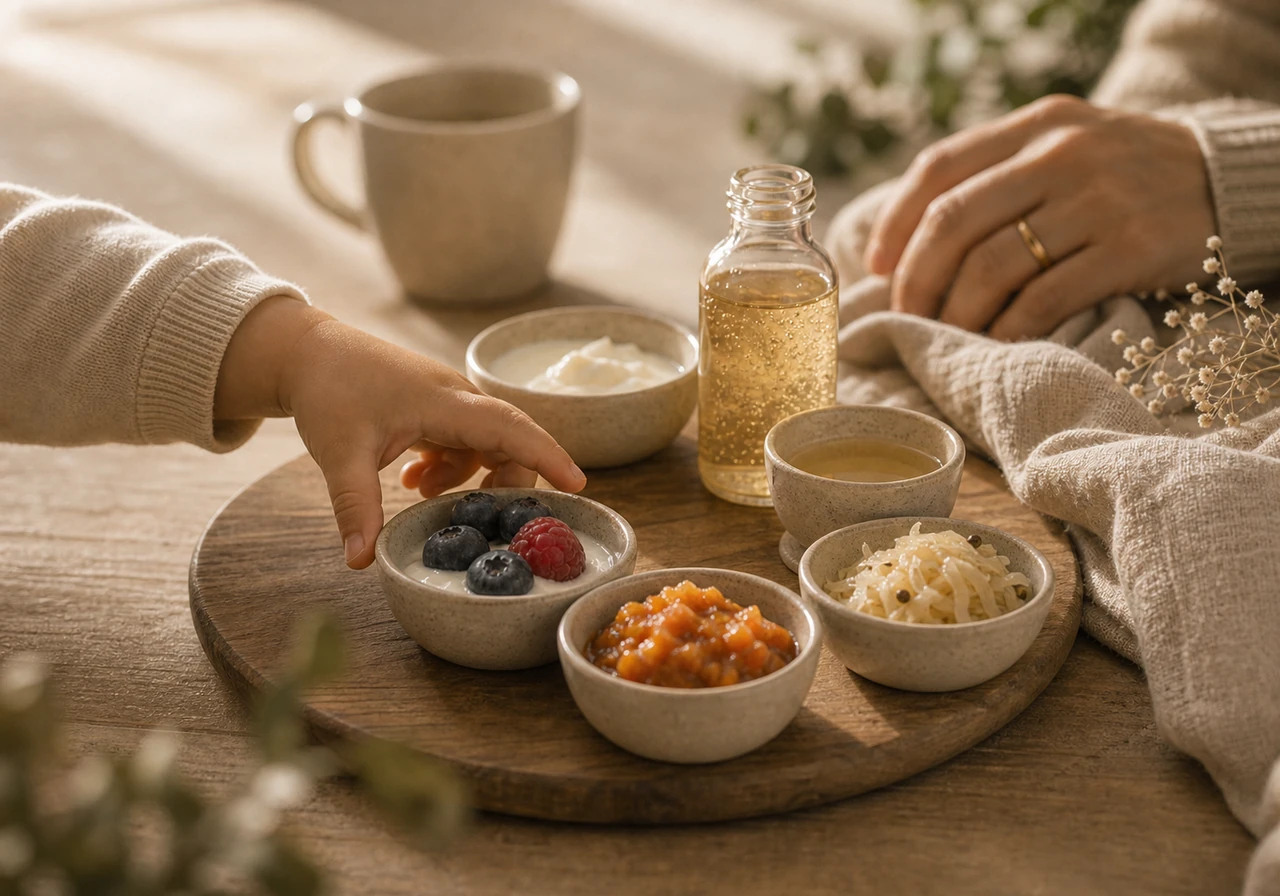
How to Get Kids to Eat Fermented Foods Without Making It Weird
Small tastes, familiar meals, and zero speeches at the table.
Kids can smell a nutrition lecture from three rooms away. Fermented foods work better when they show up as a normal, tasty part of food instead of a dramatic wellness announcement.
Start tiny
A full scoop of kraut may be too much. A few shreds on a taco, a sip of a probiotic shot, yogurt with berries, or a mild fermented salsa is a softer entrance.
Repeated, low-pressure exposure matters. The first taste is just information.
Attach it to favorite foods
Fermented foods are easier when the rest of the meal is familiar. Add crunch to eggs, brightness to rice bowls, tang to sandwiches, or a tiny side to pizza night.
The goal is not to win every meal. It is to make live foods ordinary.
Let kids choose
Offer two options: kraut or fermented salsa, yogurt or a probiotic sip, plain or mixed with fruit. Choice lowers resistance.
If a food is rejected, keep the mood light. Gut culture and family culture are both built slowly.
- Kids often do better with tiny, repeated tastes of fermented foods.
- Pair ferments with familiar meals instead of presenting them as a challenge.
- Low-pressure choice builds more trust than table battles.
- 1.Wastyk HC, Fragiadakis GK, Perelman D, et al. (2021). Gut-microbiota-targeted diets modulate human immune status. Cell.
- 2.Marco ML, Heeney D, Binda S, et al. (2017). Health benefits of fermented foods: microbiota and beyond. Current Opinion in Biotechnology.
Wild Origin makes microbiome testing and foods for wellness education, not medicine. This article is for curiosity and education — it is not medical advice, and our products are not intended to diagnose, treat, cure, or prevent any disease. If you are managing a health condition, talk to a qualified clinician.
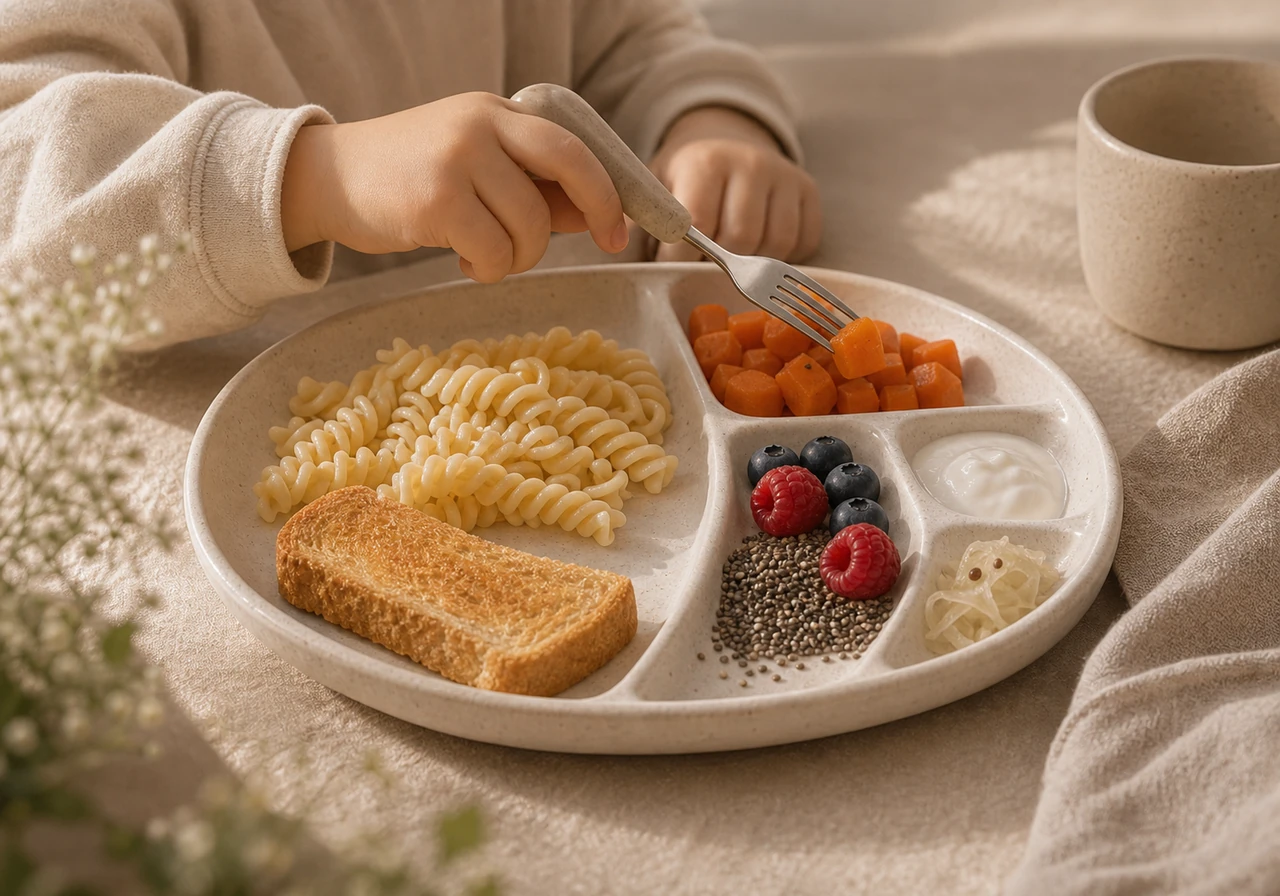
Gut Health for Picky Eaters
You can build microbial variety without turning dinner into a standoff.
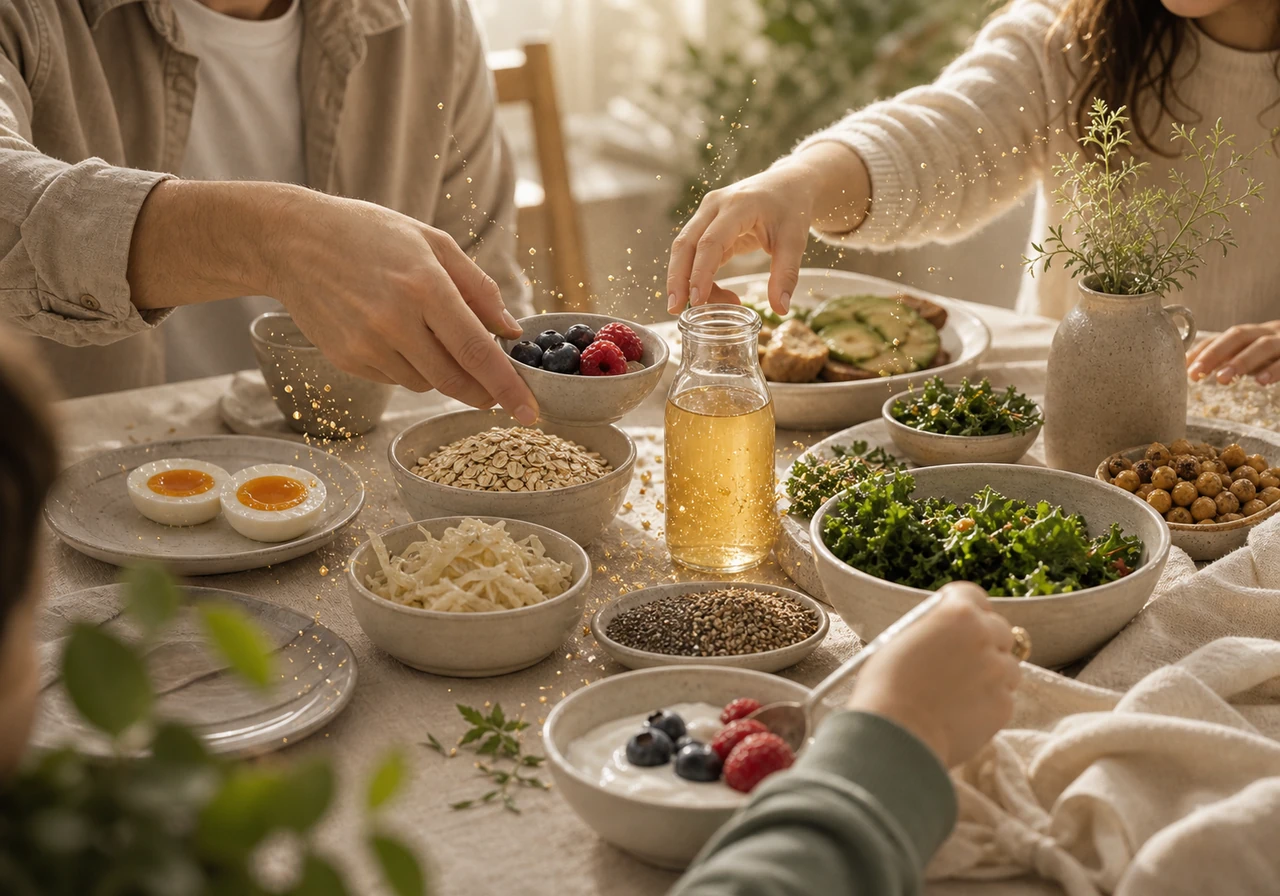
The Family Microbiome
The people you live with may shape your microbial world more than you think.